Stop Guessing With Your UV Tubes
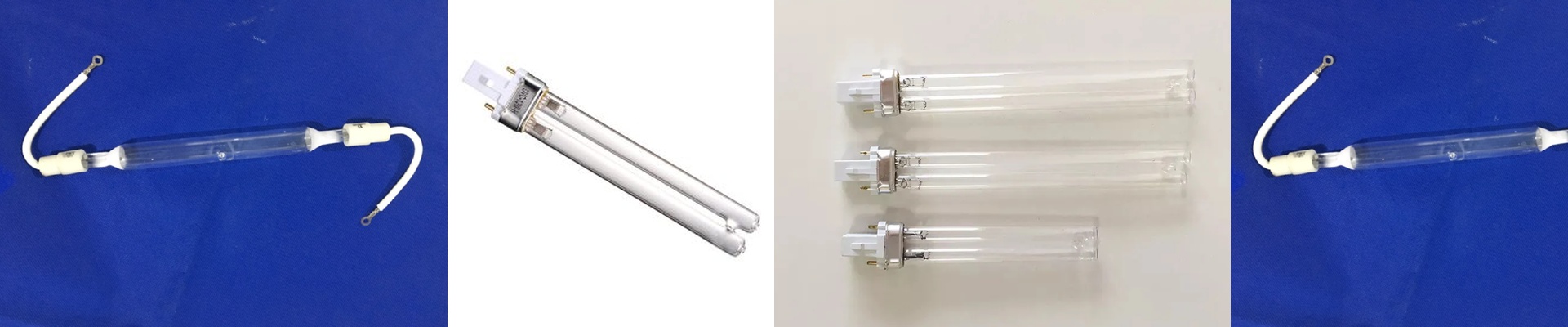
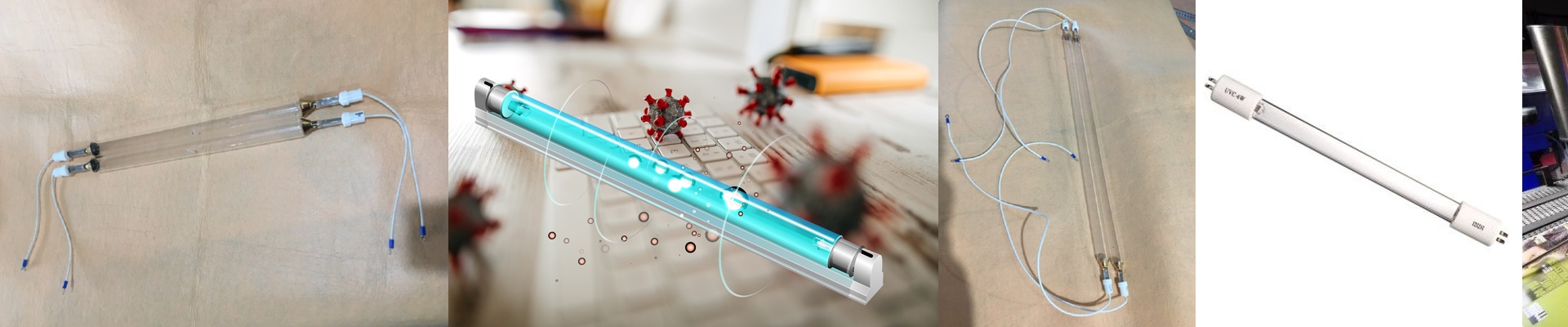
Let’s be honest: most mercury UV curing tubes are basically black boxes. You flip the switch, hope they’re putting out enough power, and just pray they don’t die in the middle of a big run. It’s a stressful way to run a line. We wanted to fix that. So, we built remote energy monitoring right into our new long-life mercury tubes.
No more “hope for the best” maintenance
Here is the problem with standard lamps: they fade. The light shifts, the power fluctuates, and usually, the only way you realize something is wrong is when the cure fails and you’ve got a pile of scrap. We changed the game by putting sensors where the ballast meets the tube. Now, you can actually track the energy and voltage in real-time. It means you can see exactly when a tube is getting tired. Instead of a sudden crash, you get a heads-up. You can schedule a swap on your own terms before the whole production line grinds to a halt.
The trade-off for a longer life
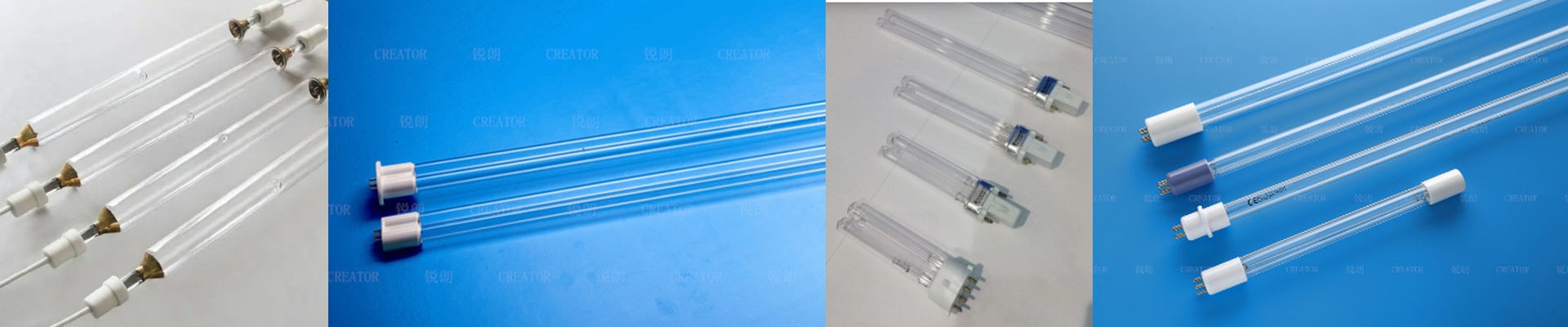
To make these tubes last longer, we tweaked the quartz envelope and the mercury pressure. It stops the electrodes from wearing out so fast. But there’s a catch. These tubes are a bit more sensitive during start-up. They need a precise warm-up to hit the right temperature. If you try to rush them, you risk shocking the arc, which basically kills the lifespan you just paid for. Patience pays off here.
Making it “Smart”
The clever part isn’t actually in the glass—it’s in how we deliver the power. We use IoT controllers to keep an eye on the wattage. If a tube starts acting weird or pulling irregular current, the system flags it immediately. And the best part? It plugs right into your existing PLC. No more replacing tubes just because the calendar says it’s time. You replace them because the data tells you they’re actually worn out. It cuts down on waste and keeps your cure rates steady. Just a quick tip: make sure your cooling system is up to the task. These high-output tubes put out a lot of heat, and if they overheat, that quartz envelope will fail way sooner than it should.