Stop Guessing When Your UV Bulbs Are Dying
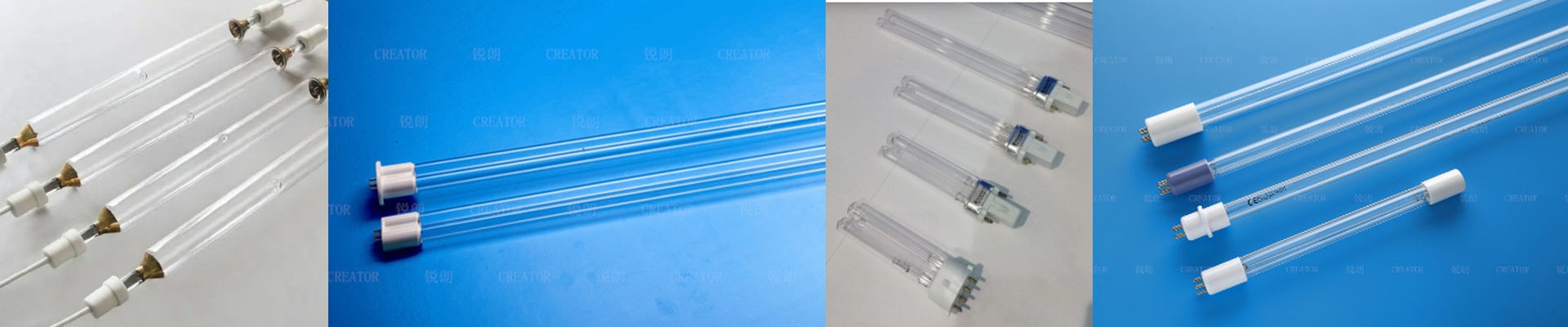
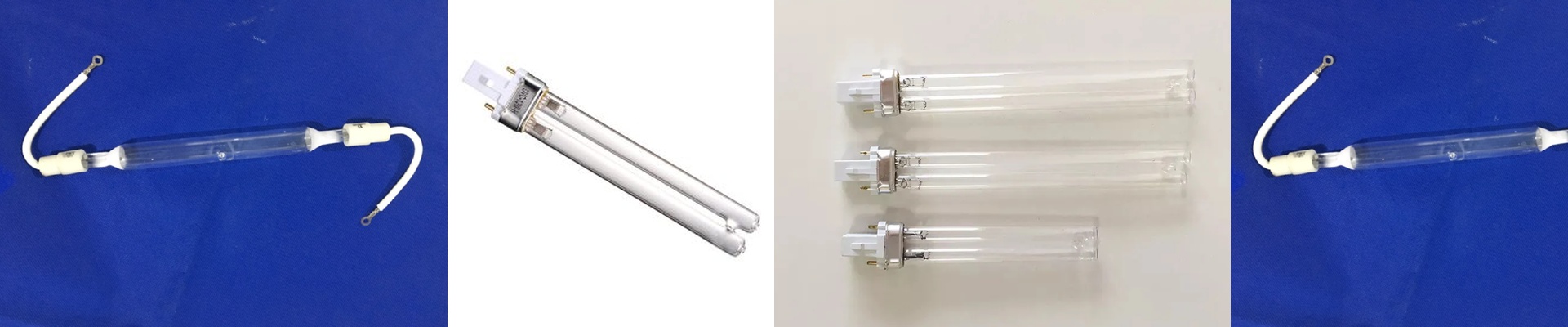
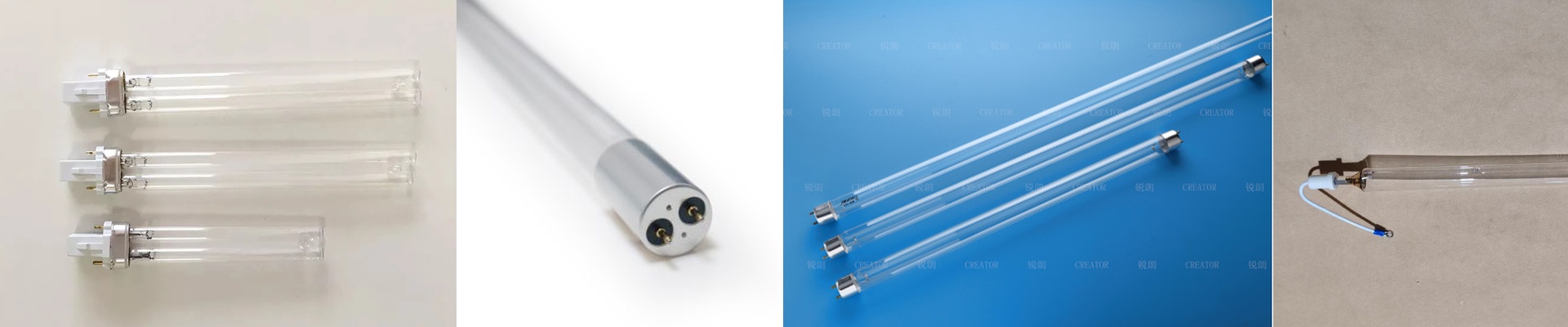
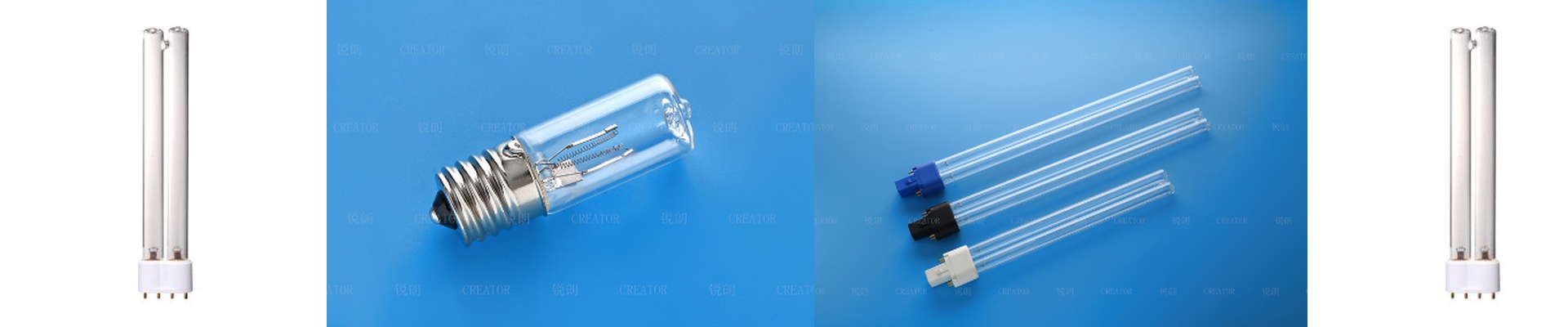
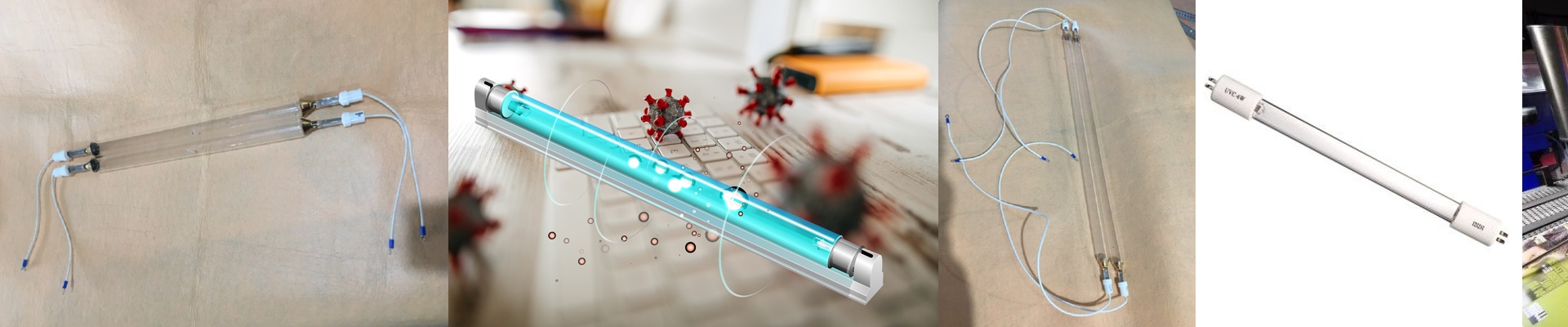
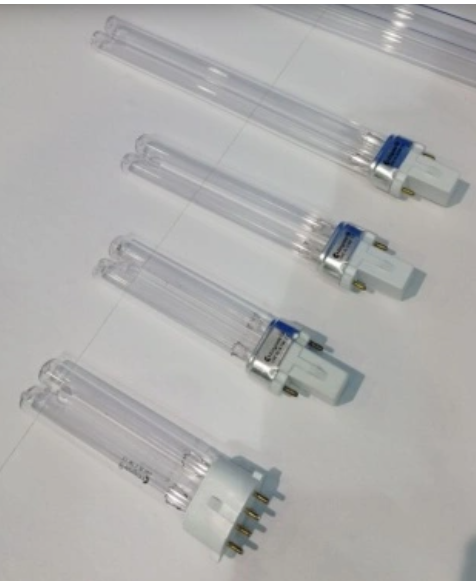
Here is the problem with standard mercury UV bulbs: they’re a bit of a black box. We build them to hit those exact UVC and UVB peaks needed to get your coatings to set, but once they’re wired in and humming, you’re basically flying blind. You have no real way of knowing what’s actually happening with the energy draw or the output until something goes wrong. It’s a frustrating way to run a shop. See, these lamps rely on exciting mercury vapor to create that UV radiation. You pick your wattage based on how fast your conveyor is moving and how thick your coating is. Simple, right? But voltage fluctuates. Bulbs age. And when that happens, your cure rate dips. Most of the time, you don’t even notice. Not until you’re holding a part that feels tacky or, even worse, you see the finish starting to peel. By then, you’ve already lost money. We’re over the “dumb bulb” era. We’ve started putting current sensors and IoT gateways right into the ballast circuit. Now, you can actually see the power curve for every single lamp in your array in real-time. Here is the cool part: when a bulb starts to give out, its electrical signature changes. You’ll see the energy draw drift away from the baseline long before the light actually fails. It turns your maintenance from a panicked guessing game into a simple calendar invite. Now, I’ll be honest—it’s not a magic wand. Adding this kind of monitoring makes your electrical setup a bit more complex. You’ll need a steady network connection at the machine and ballasts that can actually talk to the system. It isn’t always a “plug and play” situation for older legacy gear. Also, keep an eye on your cooling fans. Monitoring the power doesn’t make the bulbs any cooler, so you still have to manage that heat. But at the end of the day, we give you the data, and you make the call. You stop throwing away perfectly good bulbs too early, and you stop shipping ruined parts. It just makes sense.