Getting Your UV Curing Right (Without the Headaches)
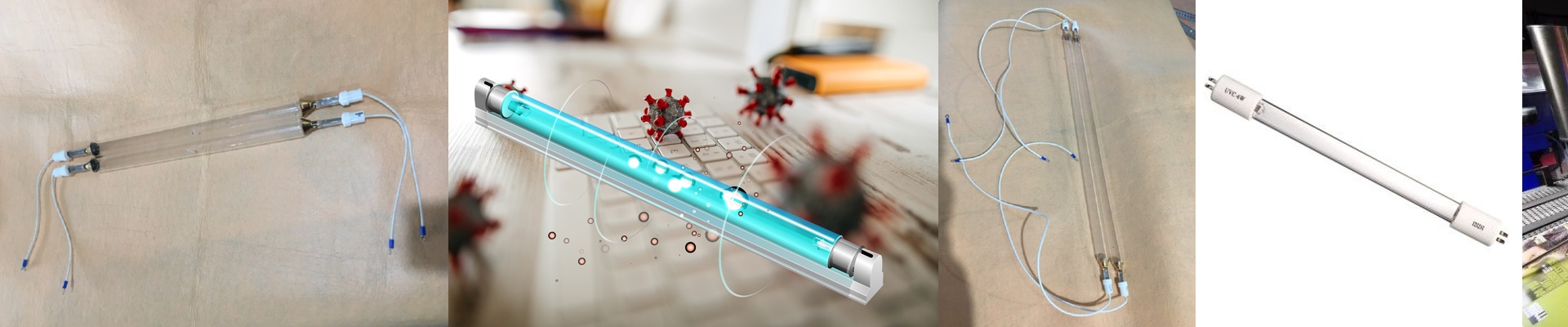
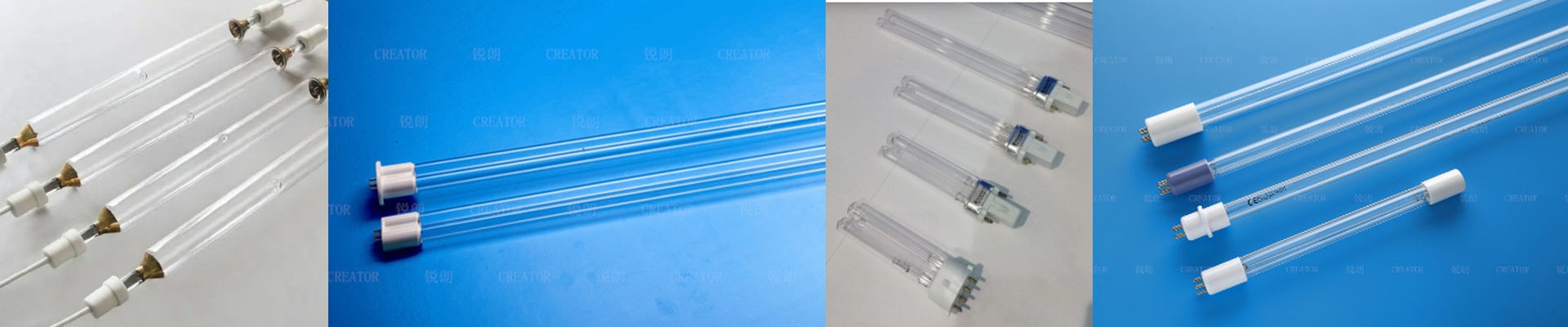
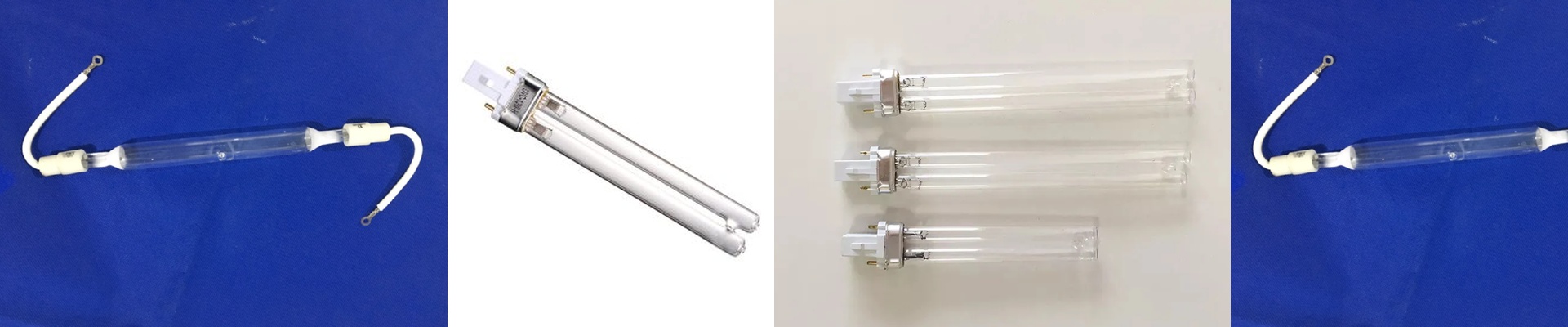
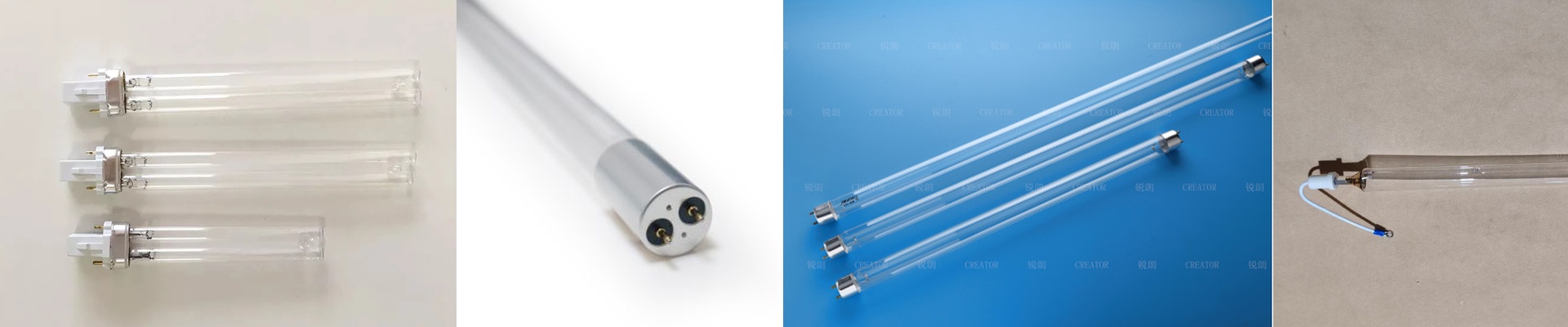
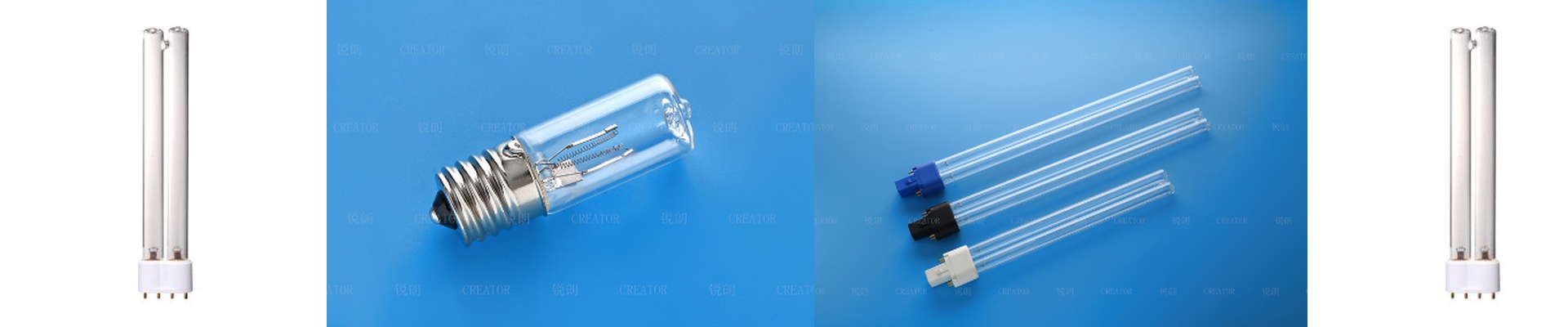
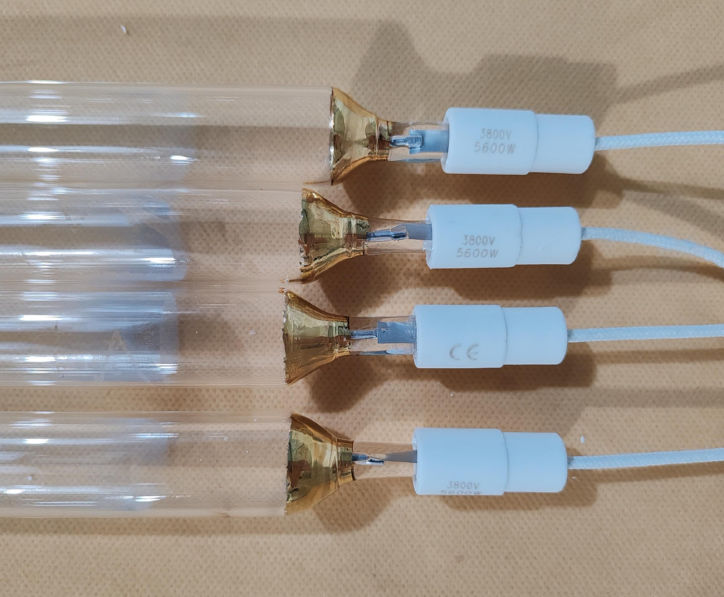
When you’re looking for a custom UV lamp, you aren’t just shopping for a piece of glass and some gas. You’re trying to figure out how to move enough photons to get the job done without melting your equipment in the process. We build our lamps to hit the same power and spectral marks as the big-name global brands, but without the corporate fluff. The heat struggle is real. Here’s the thing: when we crank up the wattage to get that high-intensity UV-C and UV-B output, things get hot. Fast. If you jam a high-wattage tube into a cramped housing without the right fans or water cooling, that quartz envelope is going to stress out and snap. It’s that simple. We also spend a lot of time on the electrode materials. Why? Because “end-blackening” is a nightmare. It kills your light output long before the filament actually gives up, and nobody wants to replace a lamp that should still be working. It’s all in the materials. We use high-purity fused quartz because standard glass just kills the shortwave radiation you need to make your resin cure. If your specific resin is being picky, we can coat the lamps to shift the wavelength or bounce more light where it needs to go. And let’s talk about the connectors. In the real world, this is usually where things break. A loose fit leads to electrical arcing, and that’s a quick way to fry your ballast. We use precision-machined pins so the fit is tight and the connection is solid. Will it actually work in your line? Yes. These are designed to be drop-in replacements for the OEM gear you’re already using. We care about one thing: curing speed. If your ink is still tacky or the surface feels under-cured, your spectral peak is probably off. We make sure our output matches those top-tier benchmarks exactly. If it doesn’t hit the mark? You get your money back. We aren’t guessing here—we’re relying on physics.