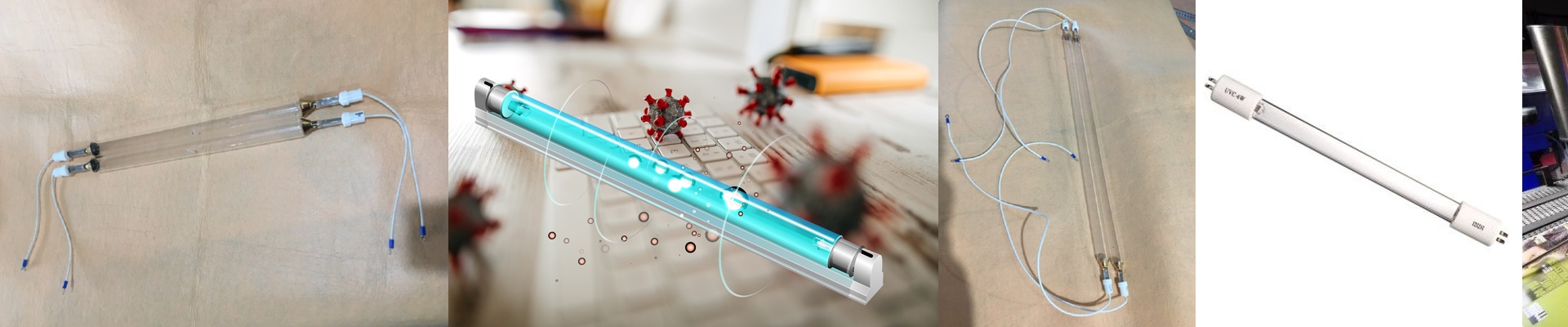
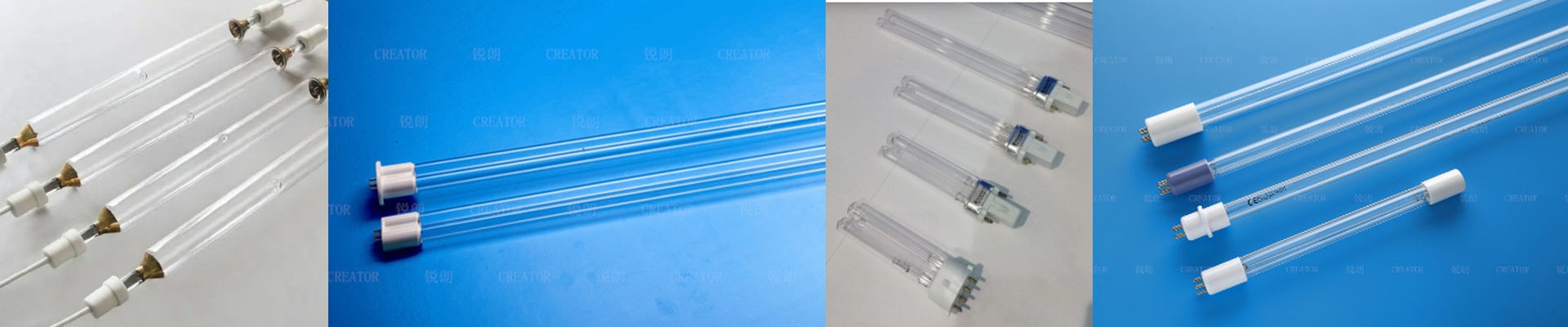
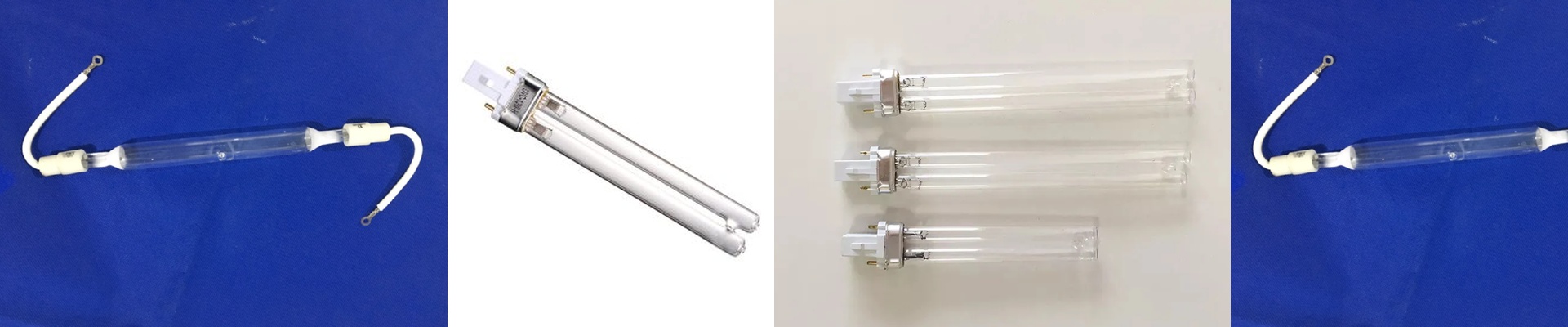
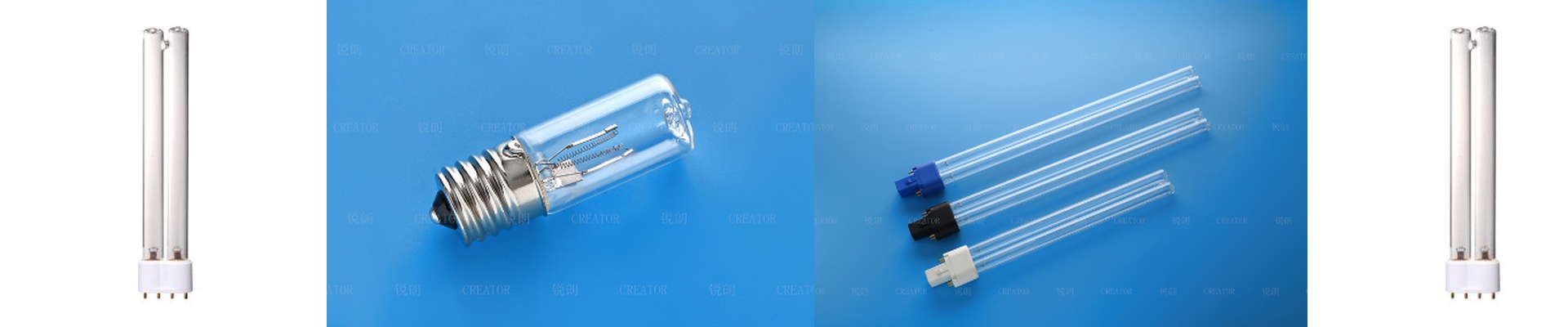
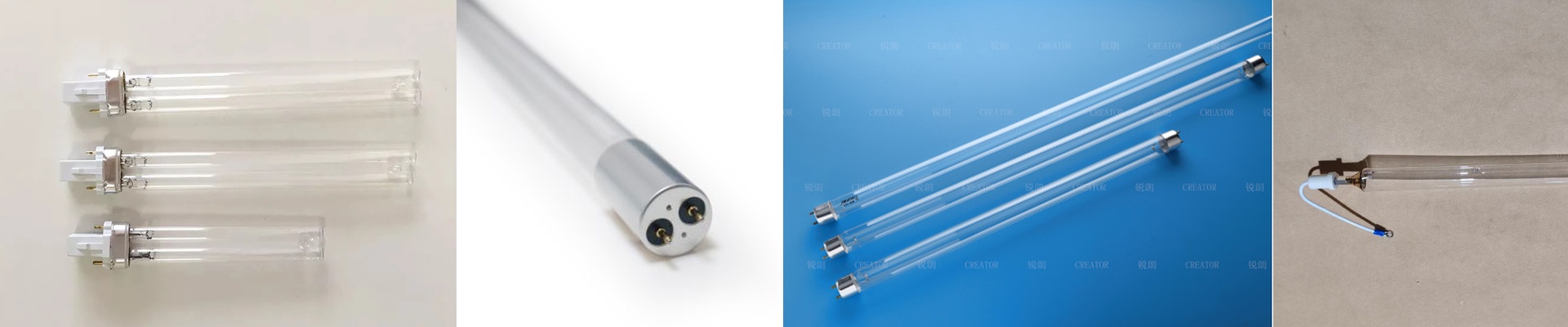
Getting the Most Out of Our 80W/cm Mercury UV Lamps
We build our standard mercury lamps to hit a power density of 80W/cm. Why? Because for most industrial curing lines, that’s the sweet spot. It gives you exactly the kind of UVC and UVB punch you need to make your inks, coatings, and adhesives actually set and stay put.
The “Secret Sauce” of 80W/cm
Think of power density as how much raw energy is actually hitting your product. It’s a balancing act. We spend a lot of time tweaking the mercury vapor pressure and the thickness of the quartz glass to keep the arc stable. If you run these too low, your curing will be patchy. Too high? You’ll fry the electrodes. We’ve spent 15 years messing with the gas mix so you don’t see that annoying performance drop-off halfway through the lamp’s life. It just stays steady.
Dealing with the Heat
We use high-purity fused quartz because it lets the UV light fly through without soaking up too much heat. But let’s be honest—80W/cm still getshot. You’ve got to get your cooling right. Whether you’re using fans or water-cooled jackets, don’t cut corners. We’ve seen way too many lamps crack or fail simply because someone ignored the airflow requirements. It’s a heartbreak you can avoid.
Plugging It In and Keeping It Running
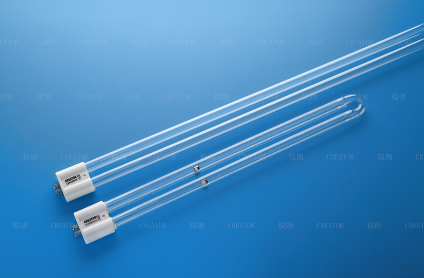
The best part? These are designed to be simple drop-in replacements. No fuss. We obsess over the fit of the end-caps and pins so they slide right into your existing sockets without any scary electrical arcing. Just one tip: double-check that your ballast matches the operating voltage. If they don’t play nice, you’ll either starve the lamp of power or pop a fuse. Once it’s humming, you can expect a few thousand hours of solid output before you need to swap the tube to keep your line moving at full speed.