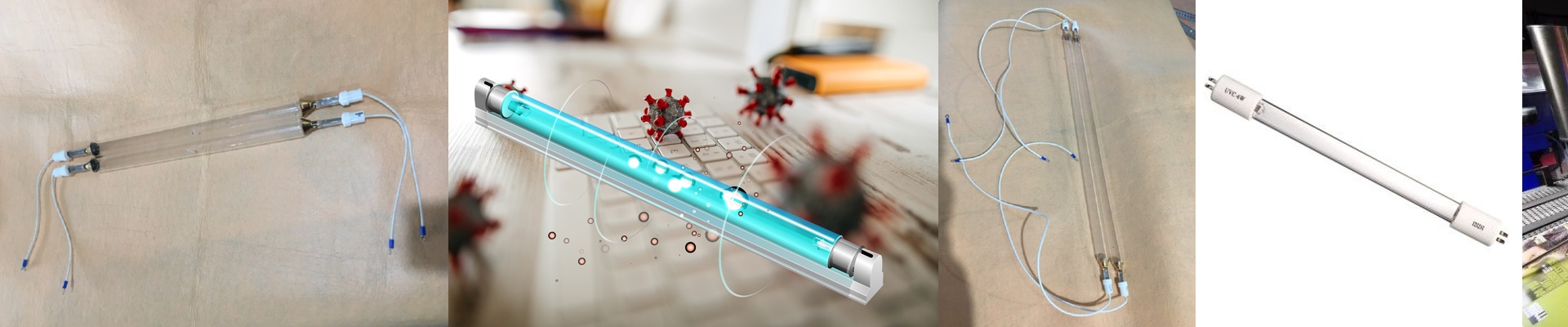
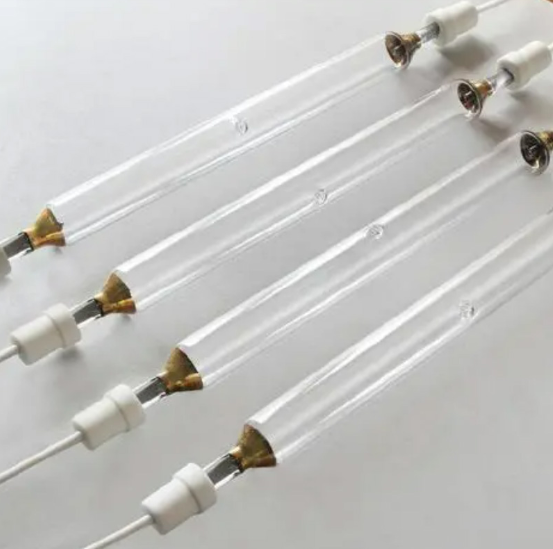
Dealing with Electrical Noise in Industrial UV-C Systems
If you’re running a handful of large printing presses in one shop, you know it’s about more than just ink and paper. It’s loud. Not just the noise you can hear, but the electrical noise you can’t. When you start piling in germicidal UV bulbs—especially in those massive arrays—things can get messy. If your ballasts and bulbs aren’t built to handle interference, you aren’t just risking a flicker. You’re risking a total controller crash.
Why your signals are acting up
Industrial floors are electrical minefields. You’ve got huge motors and high-frequency drives throwing out electromagnetic interference (EMI) everywhere. Here’s the problem: if your UV lamps have cheap shielding or an unstable arc, they basically turn into antennas. They soak up all that noise and dump it straight into your PLC. Suddenly, you’re chasing “ghost faults” or dealing with timing that just feels off. We tackle this by focusing on the arc voltage. By being obsessive about the electrode materials and the gas fill, we stop the flicker and those annoying voltage spikes that come with cheap, bulk lamps. It just keeps the signal clean.
Keeping it steady when the power dips
Ever notice how the lights dim for a split second when a heavy machine kicks in? That’s a voltage sag, and it’s a nightmare for UV systems. We build our bulbs to hold their ground. When the press next door cranks up, our lamps don’t blink. We spent a lot of time getting the impedance match between the lamp and the ballast just right. It matters because constant wattage equals constant sterilization. If the lamp oscillates, your dose drops. And if the dose drops, you’re just guessing whether the substrate was actually treated.
The catch
Look, there’s no magic wand here. High interference resistance means using heavier, more rugged components in the power chain. You can’t just plug these into a basic socket and expect a miracle. Your grounding has to be rock solid. If your factory floor has poor earthing, you’ll still deal with ground loops messing with your sensors, no matter how stable the bulb is. Get the grounding right, and these bulbs will do the rest.