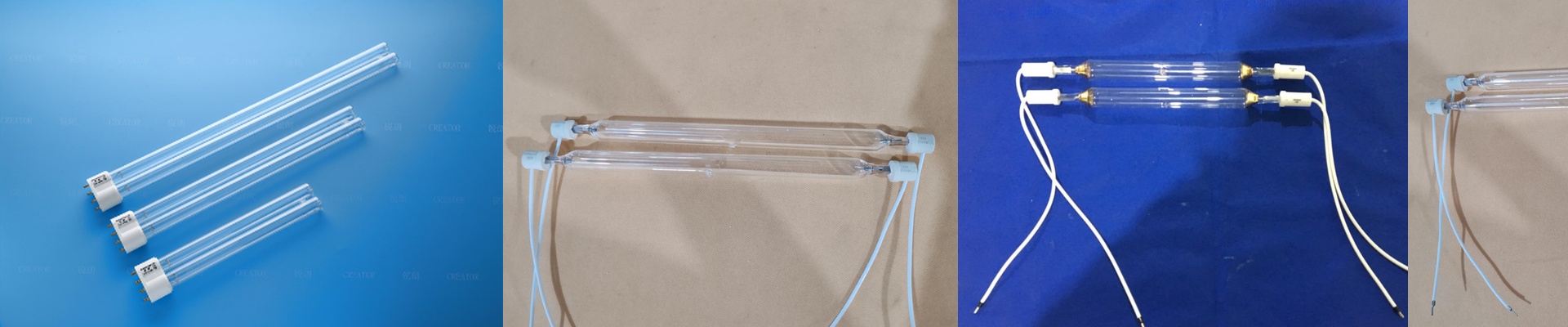
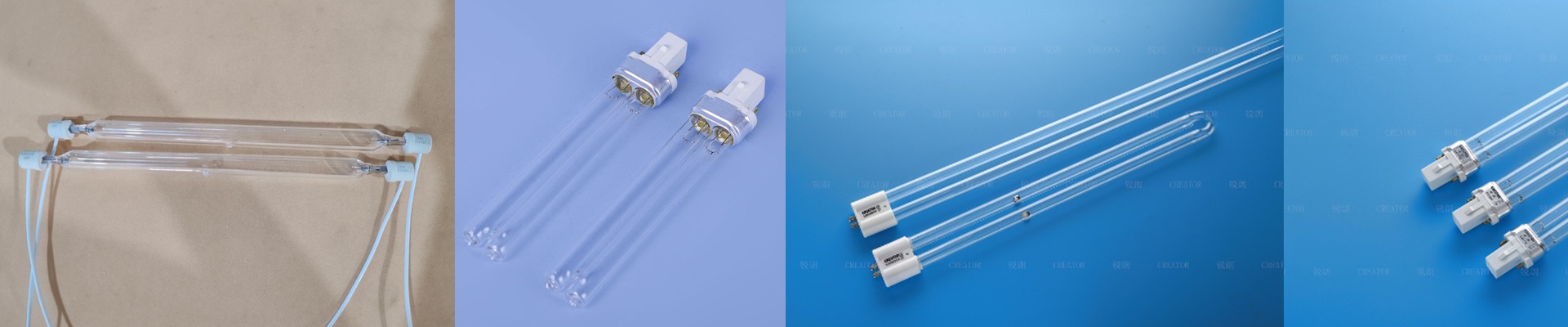
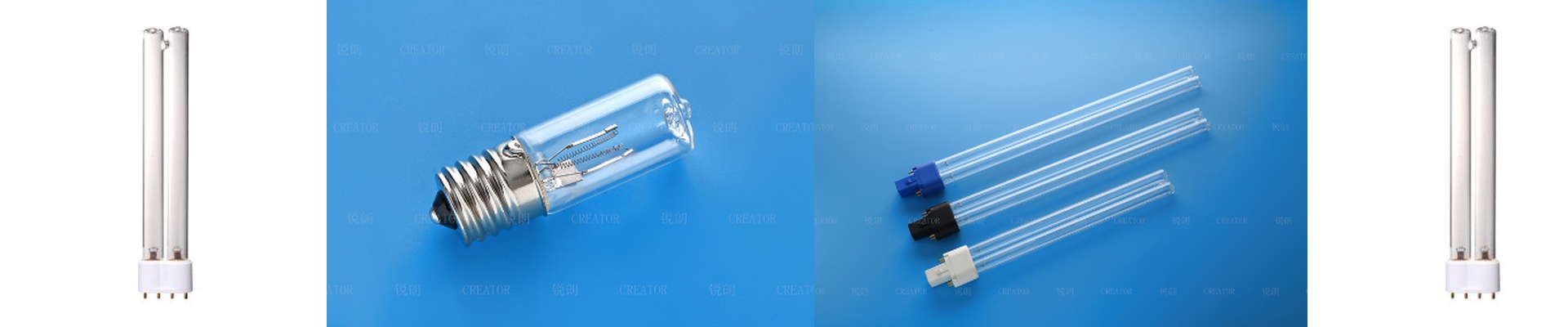
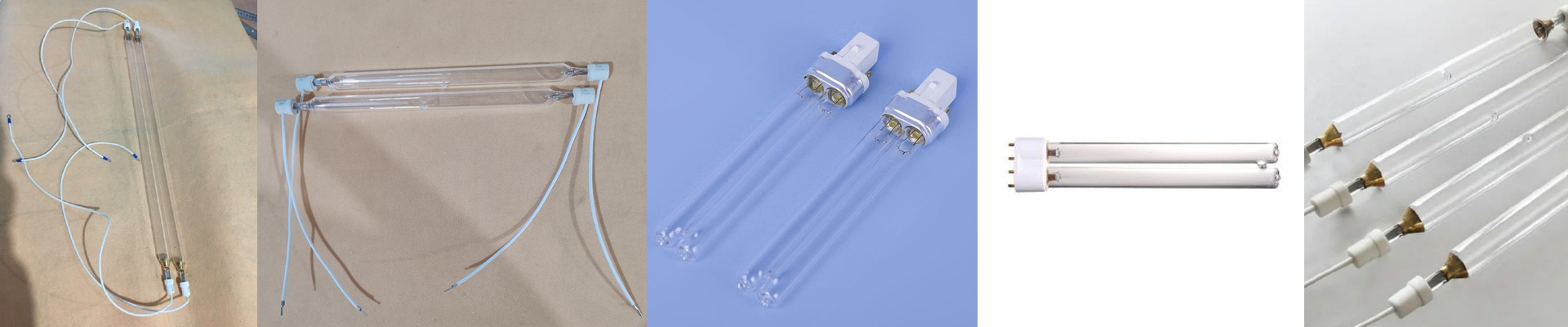
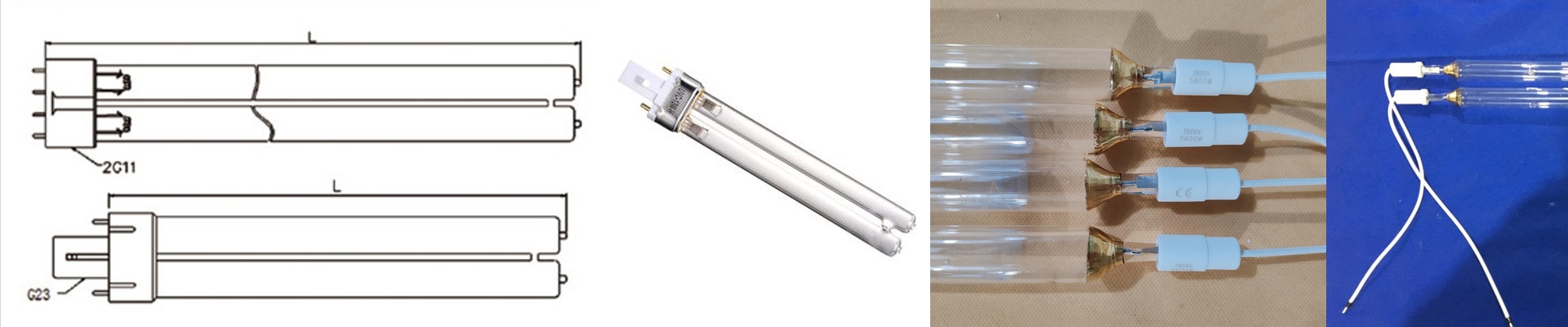
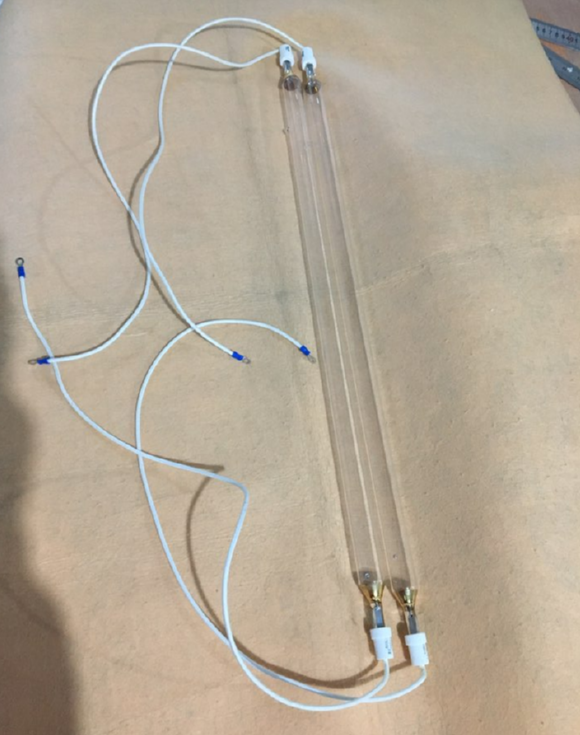
High-Pressure Mercury Lamps: Power, Heat, and Not Waiting Weeks for Parts
There’s a reason high-pressure mercury lamps are still the go-to for UV curing. They just work. Their broad spectrum hits exactly the right notes to get your inks and coatings to set properly, without the guesswork.
The Nitty-Gritty on Output
We’ve focused our high-output models on one thing: getting as much punch as possible per inch. To do that, we use high-purity quartz envelopes. Why? Because standard glass would just soak up all that UV-C and UV-B radiation before it ever hit your product. We also calibrate the internal pressure to concentrate the energy, giving you a serious burst of power. But here is a word of warning.Don’t try to cheat the system. It’s tempting to over-drive the lamp to speed up your cure times, but you’ll just fry the electrodes. It’s a trade-off that isn’t worth it. Keep your ballast and lamp in a strict 1:1 match on voltage and amperage. Your equipment will last much longer.
Getting Them Running
Changing a lamp shouldn’t feel like a major construction project. We use standardized end-caps, so these are basically drop-in replacements for most UV conveyors. No rewiring, no headaches. Plus, the quartz is fused directly to the electrodes, so you don’t have to worry about gas leaks when things get hot. Speaking of hot—these things runhot. If your cooling fans are choked with dust or your air gap is too tight, the quartz temperature drifts. When that happens, your UV output drops. It’s a simple fix: keep those reflectors polished and your airflow clear. You’ll stop wasting energy as heat and start putting it back into the cure.
No More “Out of Stock” Nightmares
We’ve all been there. A lamp pops, the line stops, and the supplier tells you there’s a six-week lead time. It’s a nightmare. We do things differently. We keep a massive inventory of our most popular specs ready to go. When you need a replacement, we ship it immediately. This means you can scale your production up or down without having to turn your warehouse into a graveyard for expensive spare parts. You get the parts when you need them, and your line keeps moving.